Independent Restaurant
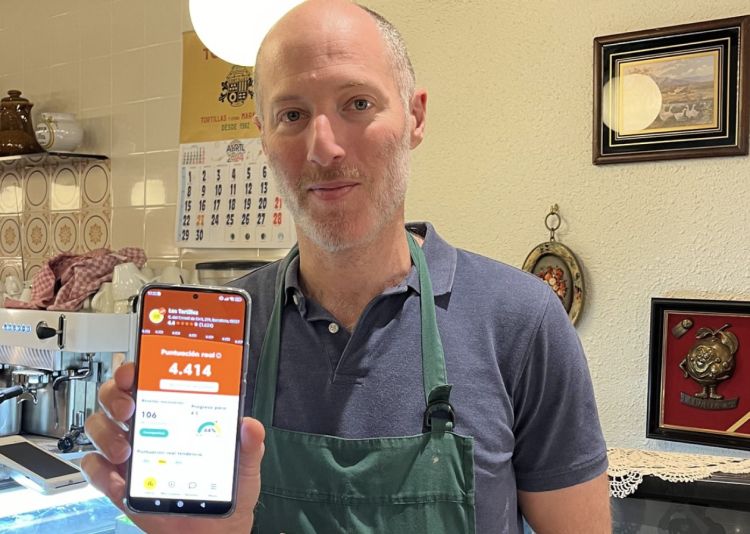
Los Tortillez
Barcelona, Spain
Google Reviews Optimization is the evolution of review management
GRO is a mindset shift — reviews stop being something you manage and become a lever you pull to grow.
Most businesses treat Google Reviews as something to manage — respond when you remember, worry when something goes wrong. GRO is a different approach: treating your reviews as a measurable, optimizable channel that directly impacts your local visibility, conversion rate, and revenue.

Waiting for reviews to arrive is not a strategy. GRO means setting targets, tracking trends, and acting before problems compound.

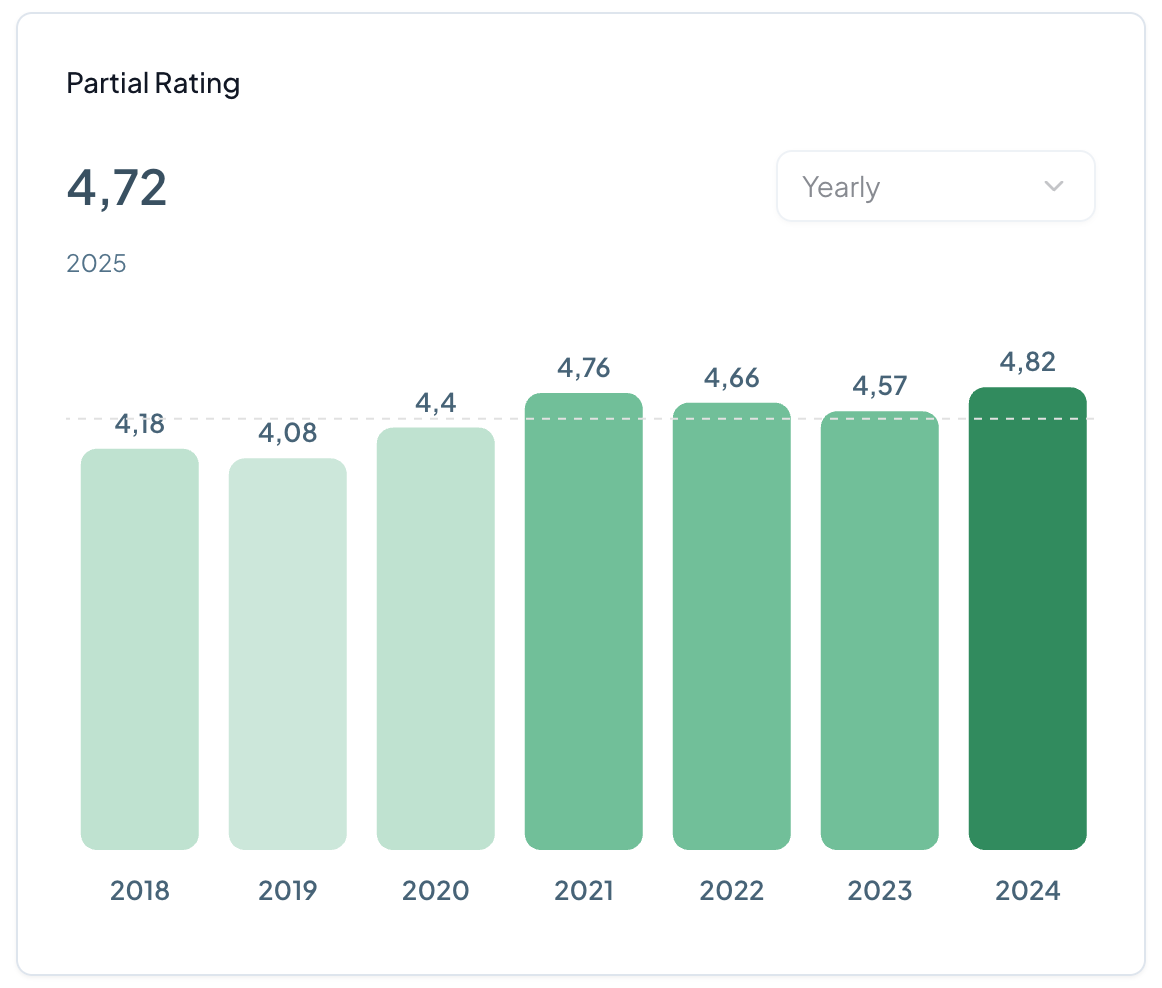
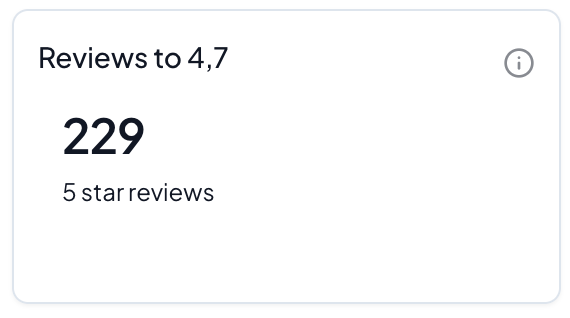
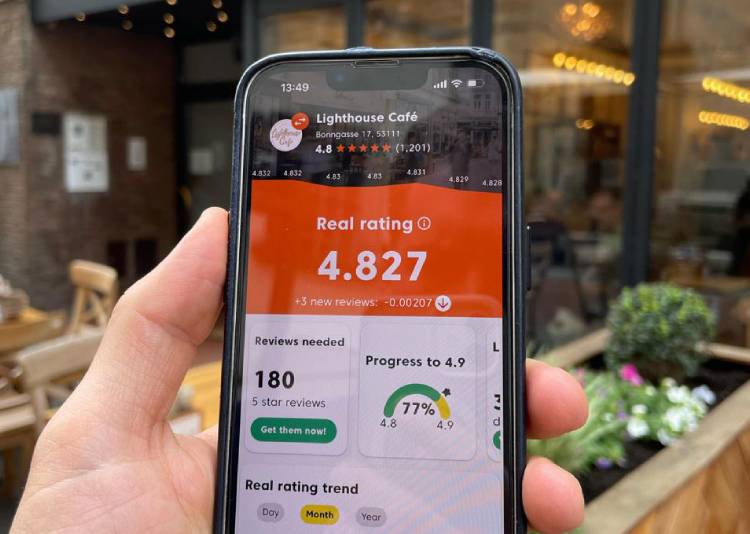
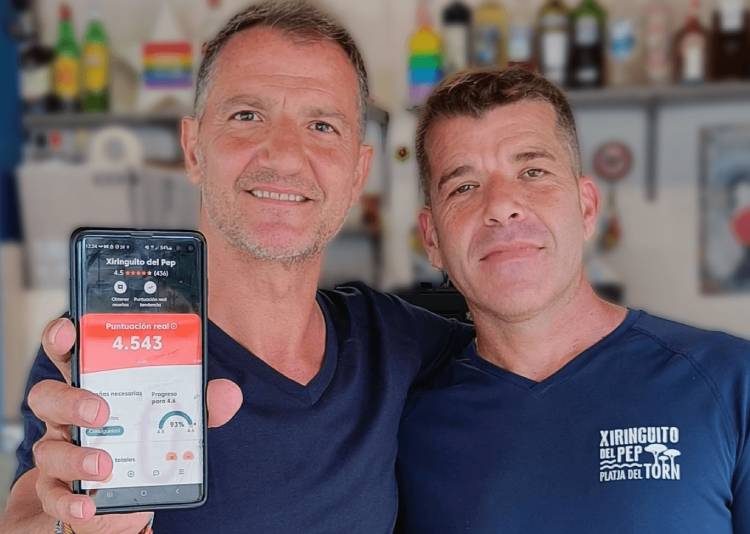
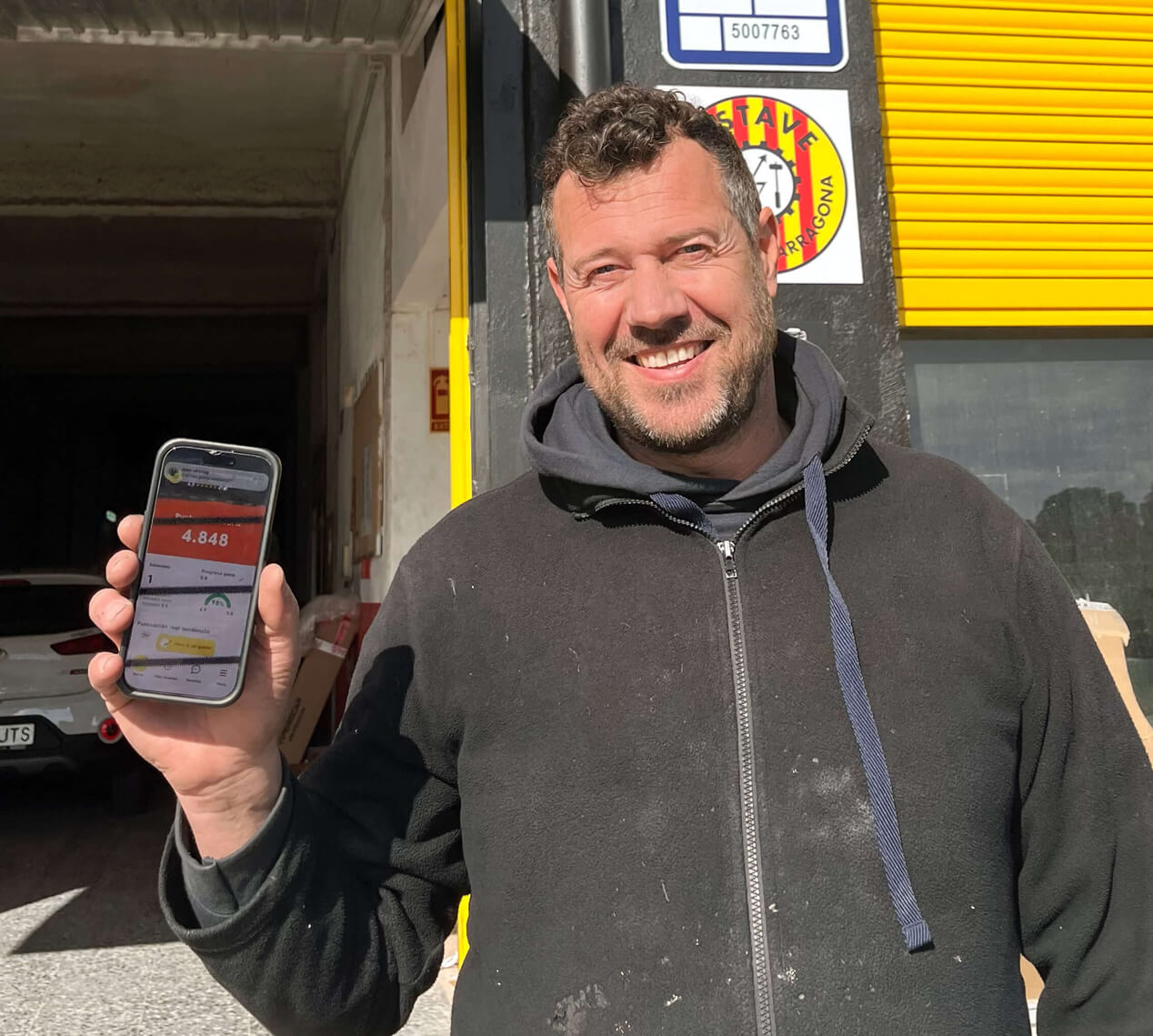
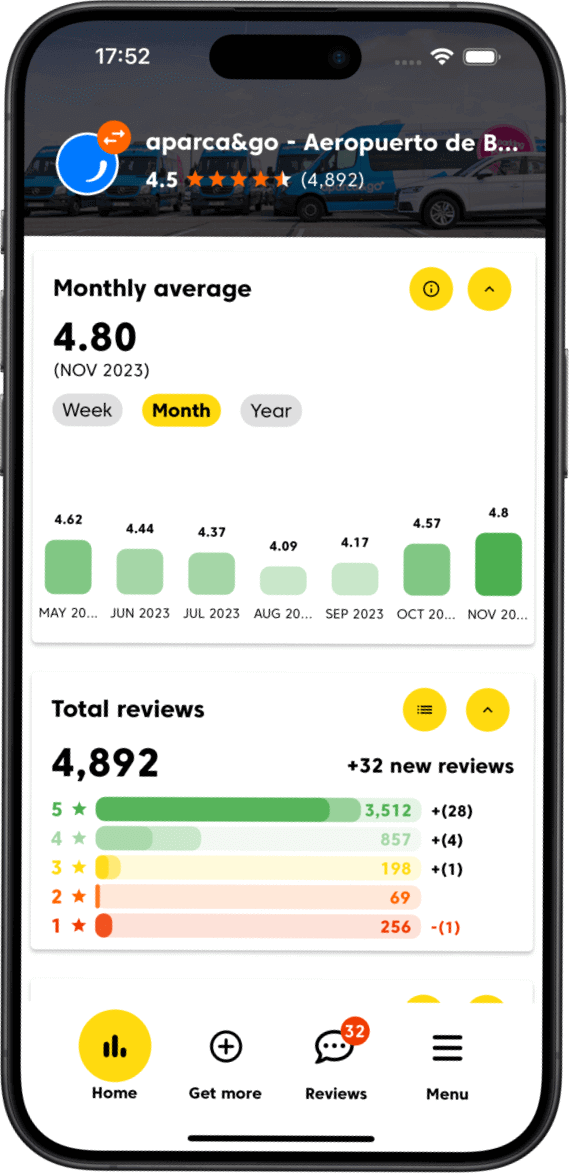
Star ratings are just the surface. GRO tracks real rating (unrounded), response rate, review velocity, and the reviews needed to reach your next rating milestone.

For multi-location businesses, GRO means the whole team — from HQ to each location — working from the same data with the right level of access.
Google uses reviews as a primary signal for local search rankings. The volume of reviews, the recency of reviews, the star rating, and the response rate all feed into the algorithm that determines where your business appears in Maps and local search results. Businesses that treat reviews as an optimization channel — not just a feedback inbox — consistently outrank those that don't.
Managing reviews means responding when you remember, chasing a complaint once in a while, and hoping your rating stays stable. Optimizing reviews means having targets, tracking weekly trends, running systematic generation campaigns, and building a team workflow that keeps every location performing.
The difference shows in the data: businesses that actively optimize their reviews grow their star rating faster, respond to more reviews, and accumulate more volume — all of which feed the local search algorithm.
For a single-location business, staying on top of reviews is manageable with discipline. For groups, chains, and franchises, it becomes operationally complex: who is responsible for each location? How does HQ know if a location has stopped responding? How do you compare performance across 10, 50, or 200 outlets?
GRO answers these questions with structure: a clear data model, delegated access, and the dashboards that let headquarters act as an oversight layer without micromanaging each venue.
Moving your Google rating up doesn't cost a penny.
Unlike marketing, ads, or promotions — and it's one of the highest-impact things you can do for your bottom line. The businesses winning on Google Maps aren't luckier — they're more systematic.


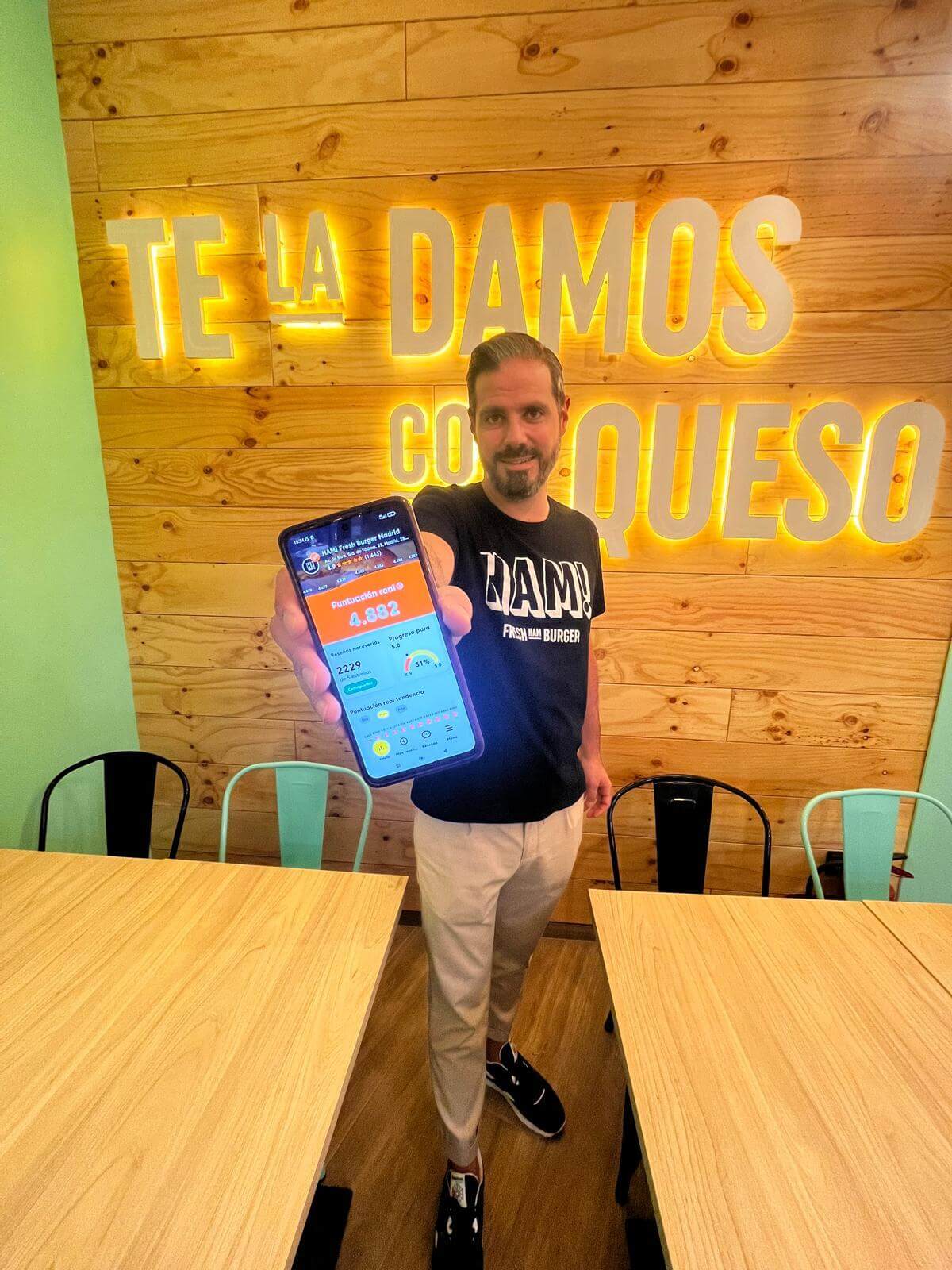
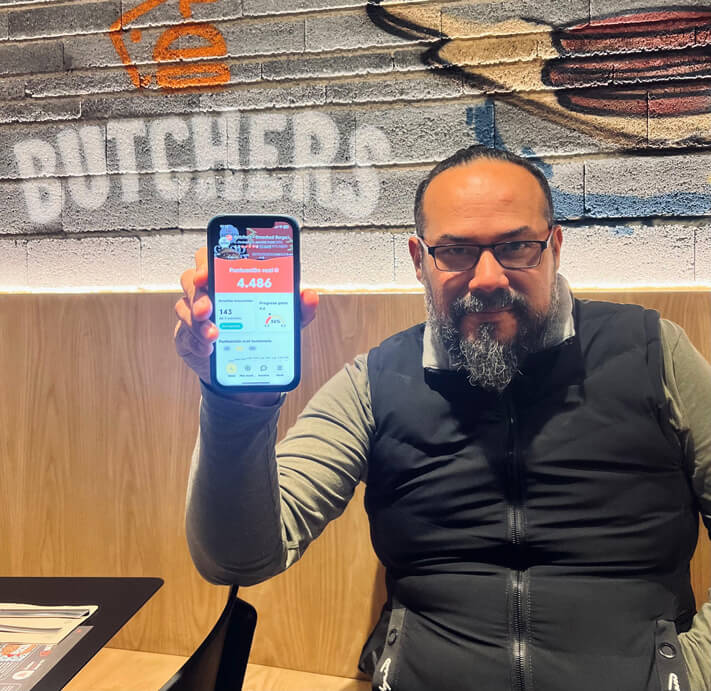
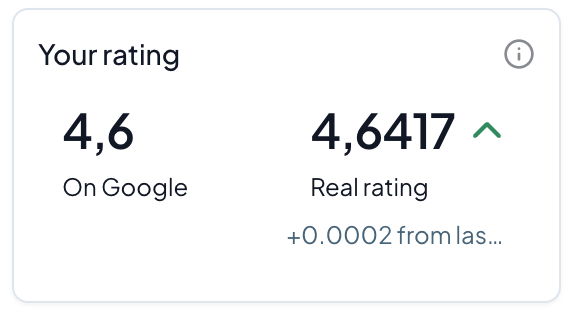
Your Google rating is rounded. Your real rating isn't. GRO starts with precise measurement: your unrounded score, your trend by week and month, your total review volume, and exactly how many reviews you need to reach the next milestone. Without this data, you're guessing.

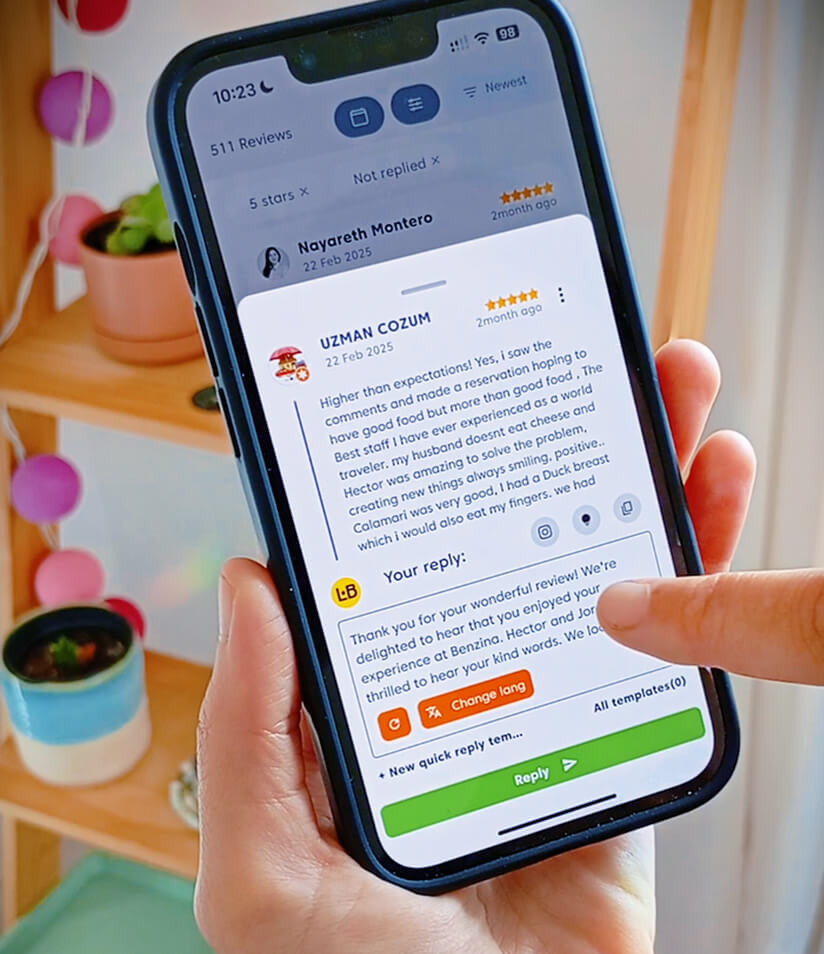
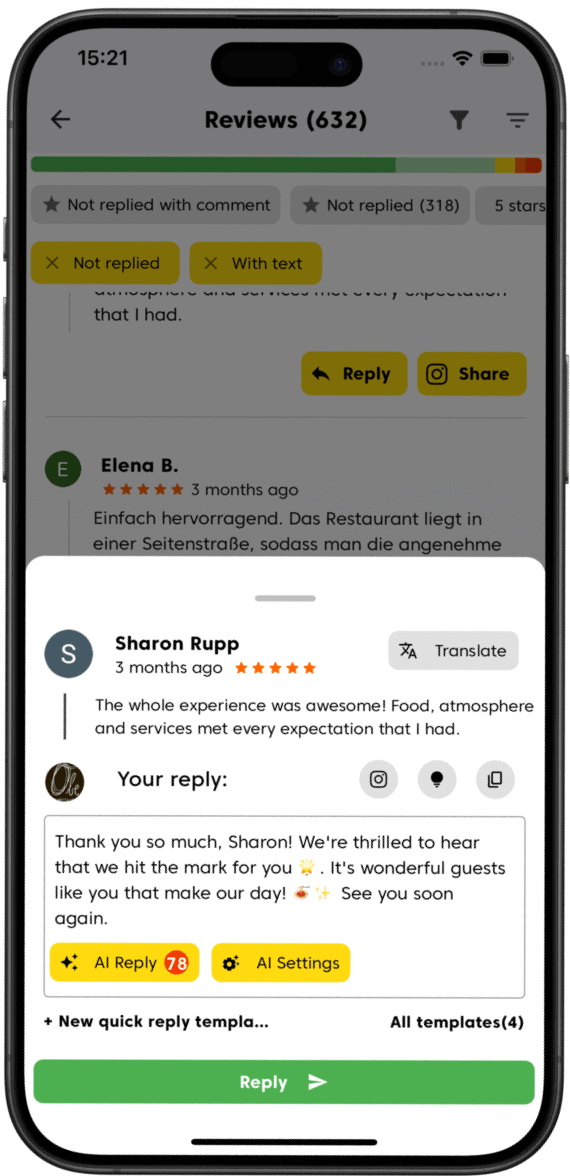
Replying fast is table stakes. GRO means treating every response as a point of contact that builds loyalty and converts. In a world where everyone replies with generic AI, responding with your own voice — at speed — is a competitive advantage. The last word is always human.

Volume is a ranking factor. Businesses that actively ask satisfied customers for reviews grow faster than those that wait. GRO includes a repeatable system for generating reviews — via QR code, link, WhatsApp, or email — without ever sounding desperate.

For groups and chains, GRO requires a structure where headquarters can oversee all locations while each venue manages its own day-to-day reviews. Centralized without micromanaging. Autonomous without losing visibility.

An unanswered negative review is a risk. A downward trend in rating is an operational alert. GRO means having early warning systems in place — so you act before a small issue becomes a reputational problem.


Google, ChatGPT, and every AI recommendation engine read your reviews to decide who to surface. Volume, recency, and how you respond all feed the algorithm.
When someone asks an AI assistant for a restaurant recommendation, it reads your reviews. Volume, sentiment, and recency all feed the answer. Your reviews are no longer just for humans.
Every business now has access to AI replies. The ones that win are those who respond with their own tone and personality — not copy-paste GPT. Differentiation is the new optimization.
Managing reviews used to mean scanning for keywords. GRO means AI analyzing patterns across hundreds of reviews to surface what your customers actually value — and what's driving them away.


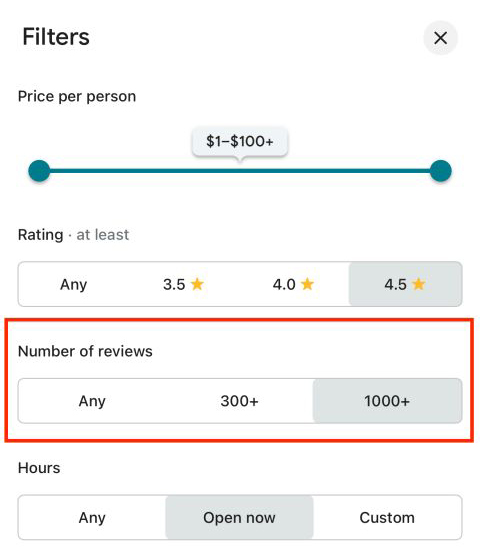
Google Maps is introducing filters by number of reviews — soon users will be able to search only businesses with 100+, 500+, or 1,000+ reviews. Volume is no longer just a trust signal. It's a visibility gate.
Businesses that have been systematically generating reviews will appear. Those that haven't, won't — regardless of their star rating.
Most platforms were built to manage reputation. GRO platforms are built to grow it.
| Free | Reputation platforms | GRO | |
|---|---|---|---|
| Focus | Visibility | Brand protection | Growth |
| Main user | Owner | Marketing team | HQ + each location |
| Reply | Manually in Google Maps | Automated by AI (no control) | AI agent, human approval |
| AI analysis | None | Basic keywords | Advanced insights on customer preferences |
| Price | Free | High | Accessible |
GRO is not a replacement for reputation management. It's what comes after.


Independent Restaurant
Barcelona, Spain


Independent Restaurant
Barcelona, Spain


Independent chiringuito
L'Hospitalet de l'Infant, Spain


Independent clinic
Viladecans, Spain


Auto repair shop
Miami Platja, Spain


Beauty Center
Tarragona, Spain